Animation7 min read
AI Motion Comics: Why the Same Character Looks Like Someone Else by Image Three
Lock face shape and hair silhouette first; let expression change—not the ID—across scenes.

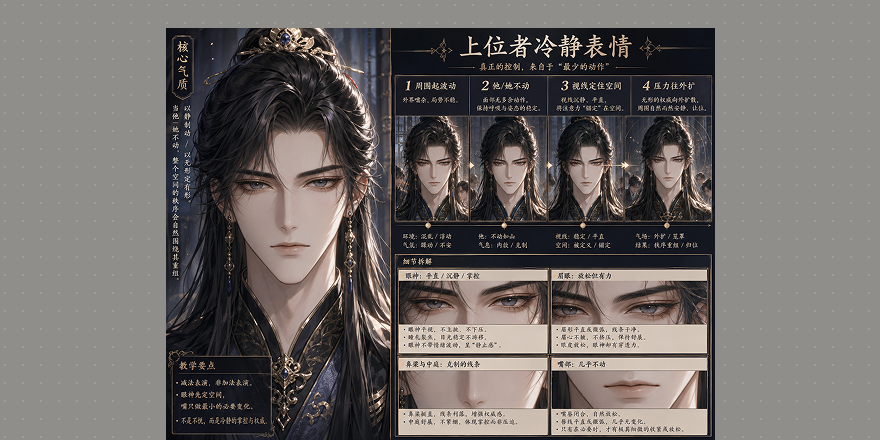
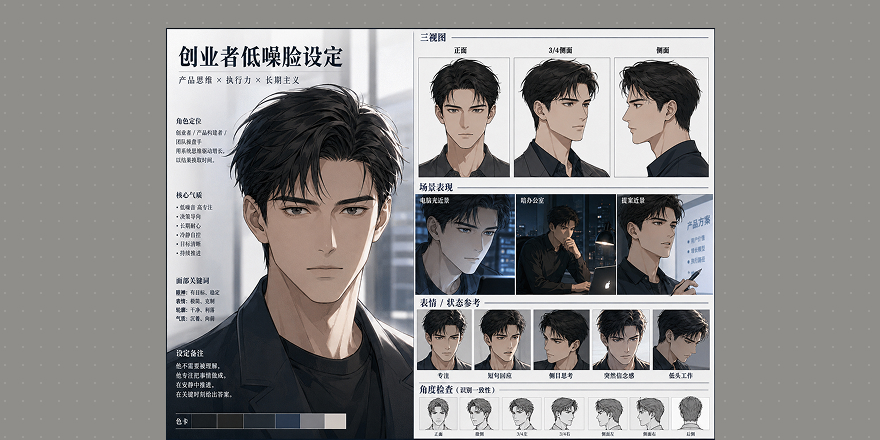
The usual problem is not frame one. Frame one is often fine—good face, right hair, readable expression. Image two, three, four: face shape drifts, proportions slip, light rewrites temperament. The set reads as the same type, not the same person.
Series consistency breaks across scenes. Repeating name, hair color, and outfit in the prompt is not enough. You need concrete recognition locks.
Lock face shape first. Face is the primary ID—length, jaw, eye spacing, feature layout. When the face drifts, hair and clothes cannot save it.
Founder Focus Character Face
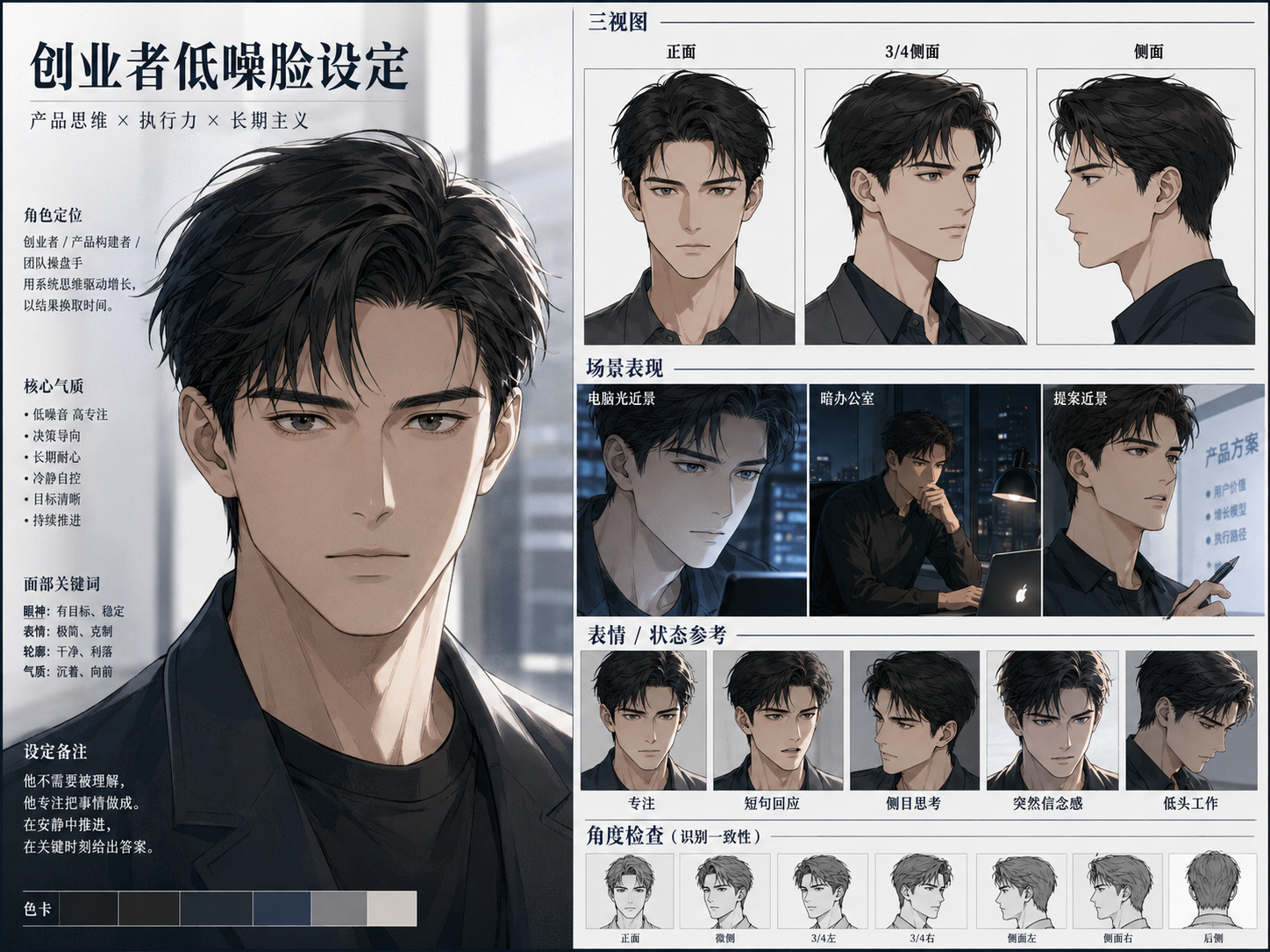
Founder Focus Character Face
Use a face card as the base plate—fix what this person looks like before chasing expression range.
Lock hair silhouette second. Not only length and color: crown height, tail position, fringe direction, overall tension. Silhouette shift feels like a new version.
Sleek City Bob Hair
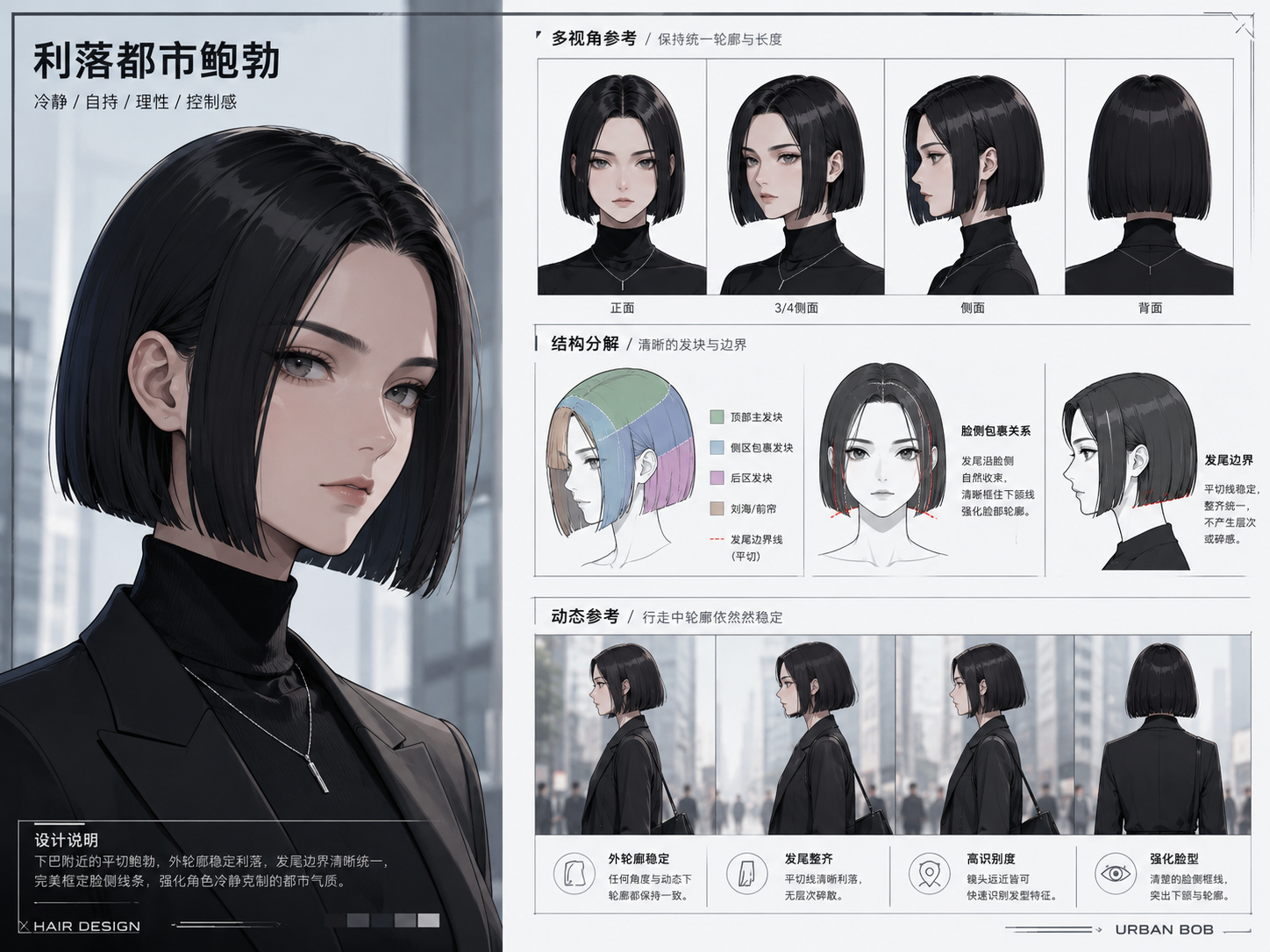
Sleek City Bob Hair
A stable urban bob (or similar) holds identity while wardrobe, scene, and expression change—keep the outline.
Watch lighting. Many sets fail because each frame feels shot in a different studio—soft, dark, high contrast, heavy mood. Light reinterprets structure and tone. You can nudge light within a set; do not swap the whole direction every shot.
Watch camera distance. Close-up, half-body, sudden wide—fine with rhythm, chaotic without it. Fix a primary framing (bust, half-body, near portrait), stabilize the character, then expand.
Hold the render channel. Low-noise clean vs thick paint vs heavy cinematic grade—all break series read. Unity is line, color, shadow, and texture—not only features. Stability often beats “more stunning” per frame.
Expression last. Once face, hair, light, and style hold, expression carries plot state.
Daily scenes—polite, restrained:
Polite Public Smile Expression
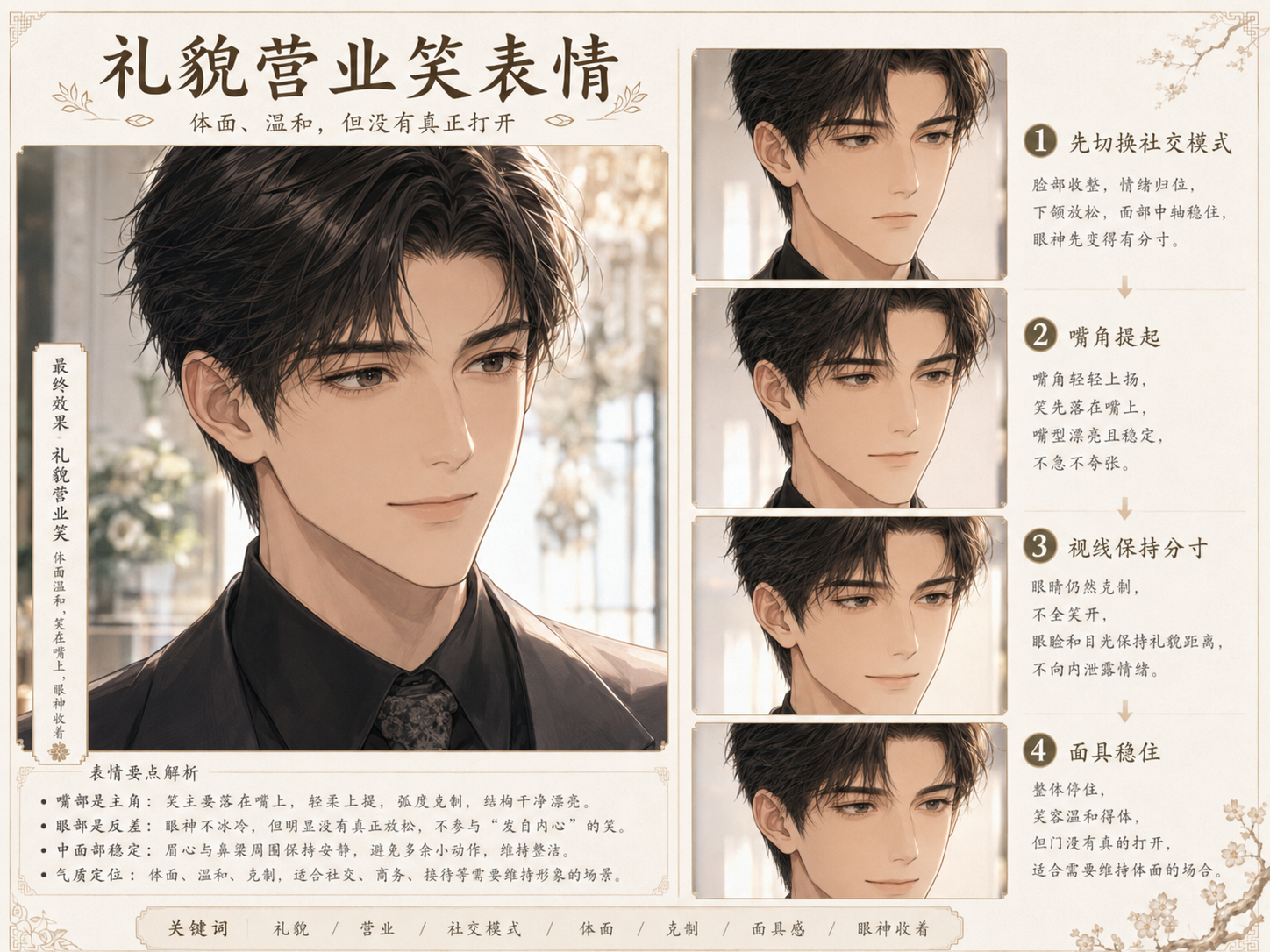
Polite Public Smile Expression
Higher pressure—holding on the edge of collapse:
Holding Collapse Expression
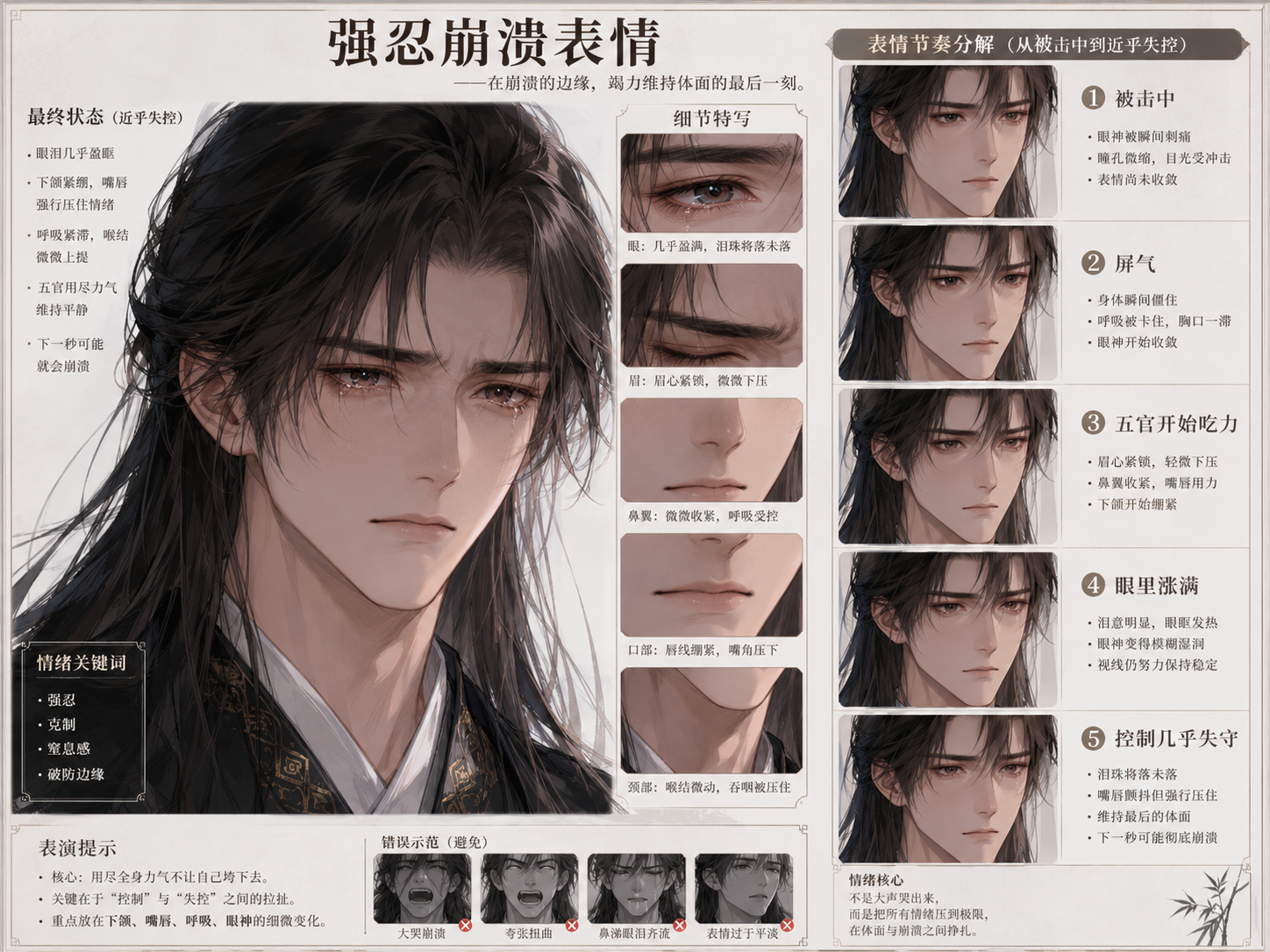
Holding Collapse Expression
The audience feels emotional change, not a recast.
In Draftroom: one face card, one hair card, then expression cards. Face and hair stay fixed; emotion moves—the character can stay in the story.