Animation8 min read
Why Villains Stick in Memory: Visual Contrast Design for Leads and Antagonists
Design protagonist and villain as a pair—face, hair, and expression pulling in opposite directions.

In many motion comics, villains stick faster than leads—not always prettier or busier, but visually clearer. Leads are often designed safe: pleasant face, tame hair, restrained expression. Hard to fail, easy to forget.
Antagonists get more room—sharper planes, tighter hair, controlled or dangerous expression. Viewers read the aura immediately.
Memorability is often contrast. Design lead and villain together, not separately—so the audience sees they are not the same kind of person or emotional position.
Face layer
A healing, approachable lead: softer lines, lower brow pressure, less attack.
Soft Healing Character Face
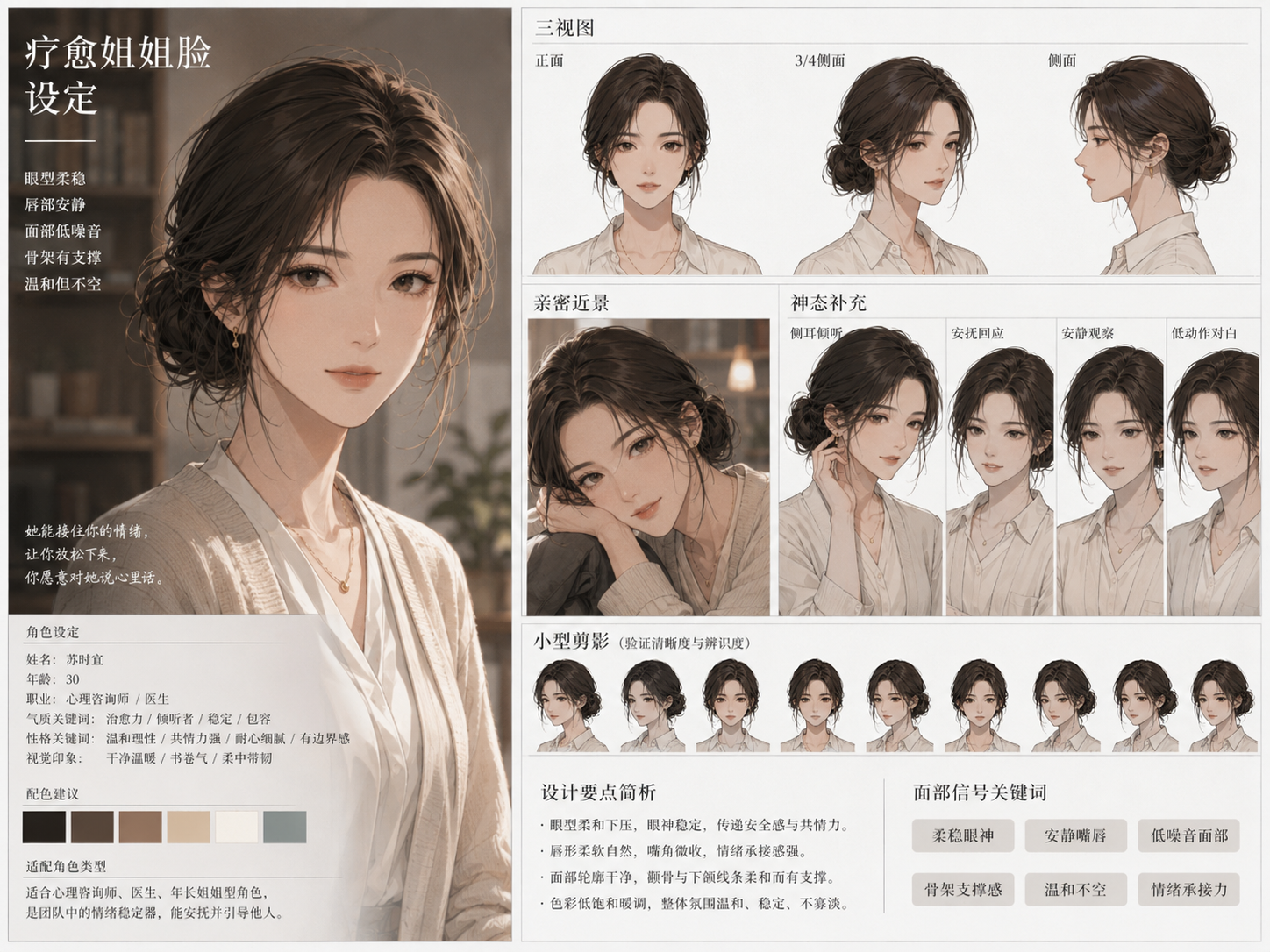
Soft Healing Character Face
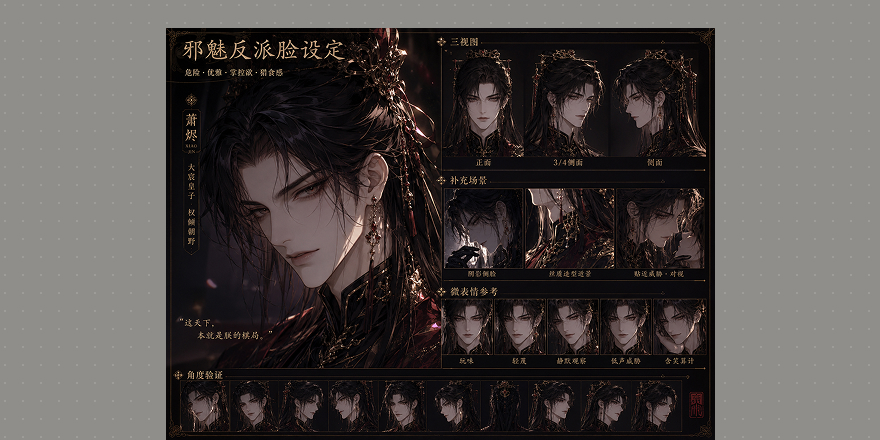
The villain: cleaner cheek and jaw, concentrated brow pressure—not cartoon evil, but attractive and unsafe.
Charismatic Villain Character Face
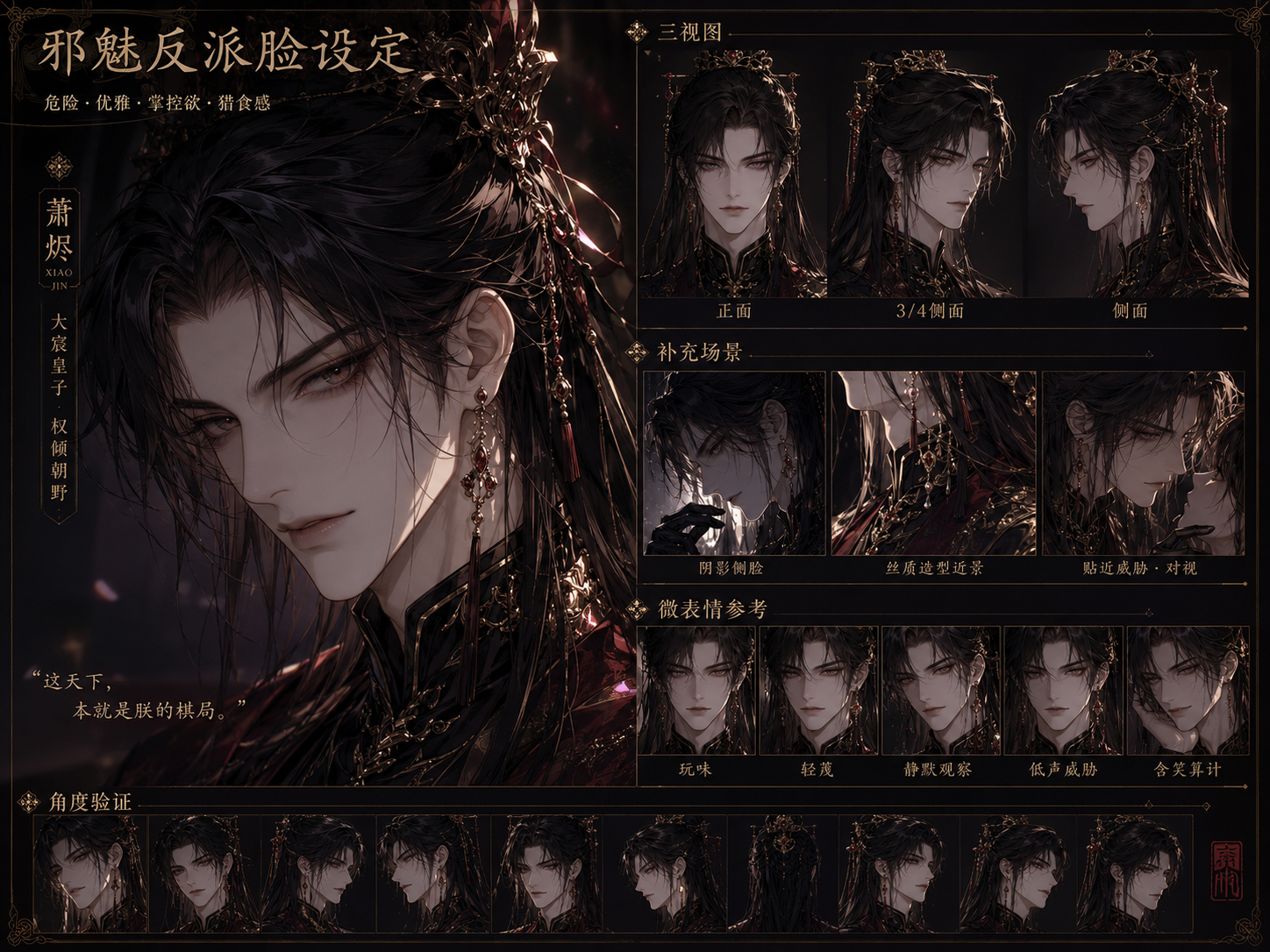
Charismatic Villain Character Face
Hair layer
Hair shifts identity fast. Urban, daily, emotional leads: natural silhouette, lighter layers, looser read—real and close.
Soft Collarbone Layer Hair
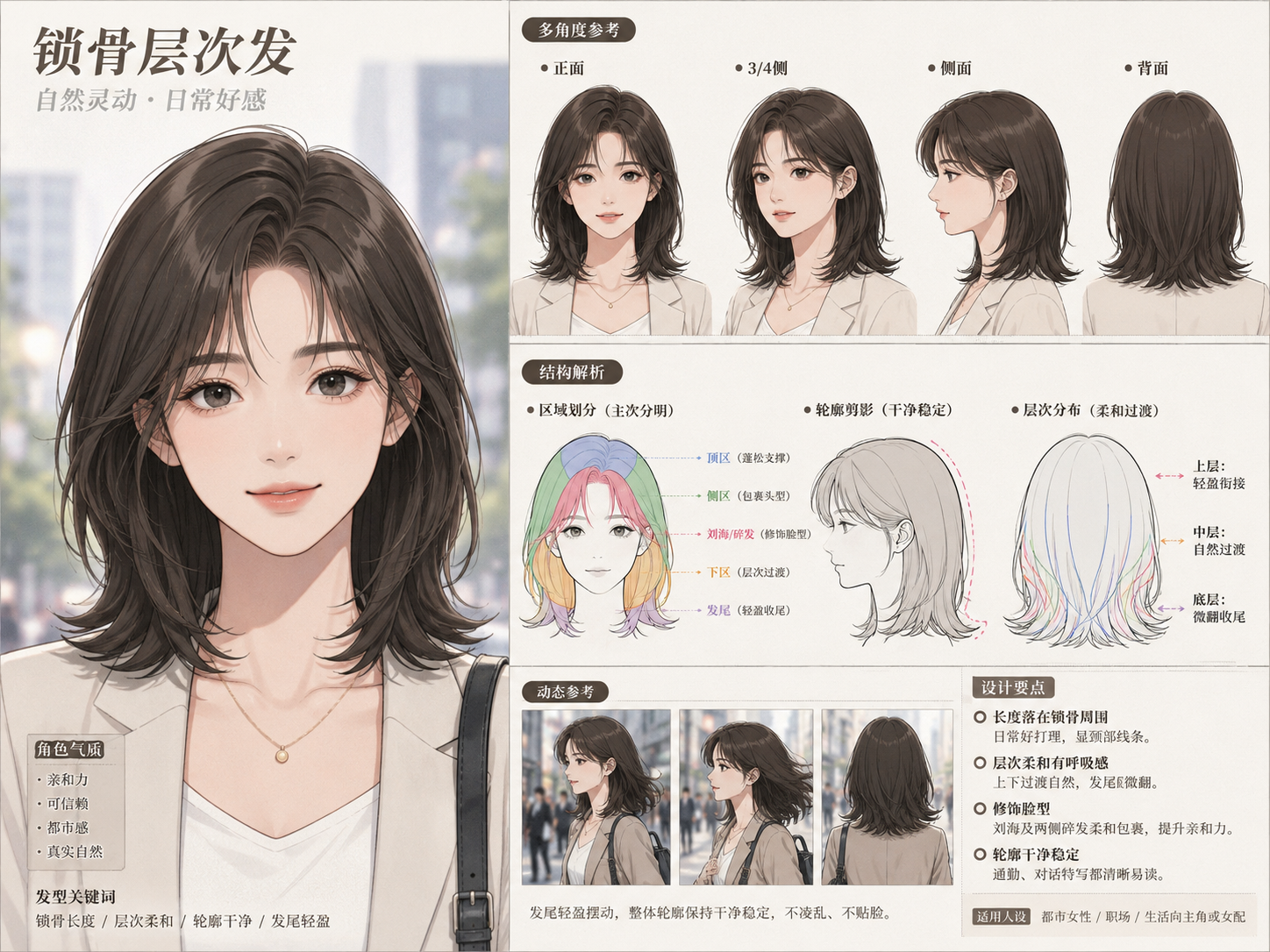
Soft Collarbone Layer Hair
Villains or shadow roles: pull hair in. Compressed tie, fewer ornaments, leaner action read.
Shadow Assassin Compressed Pony Hair
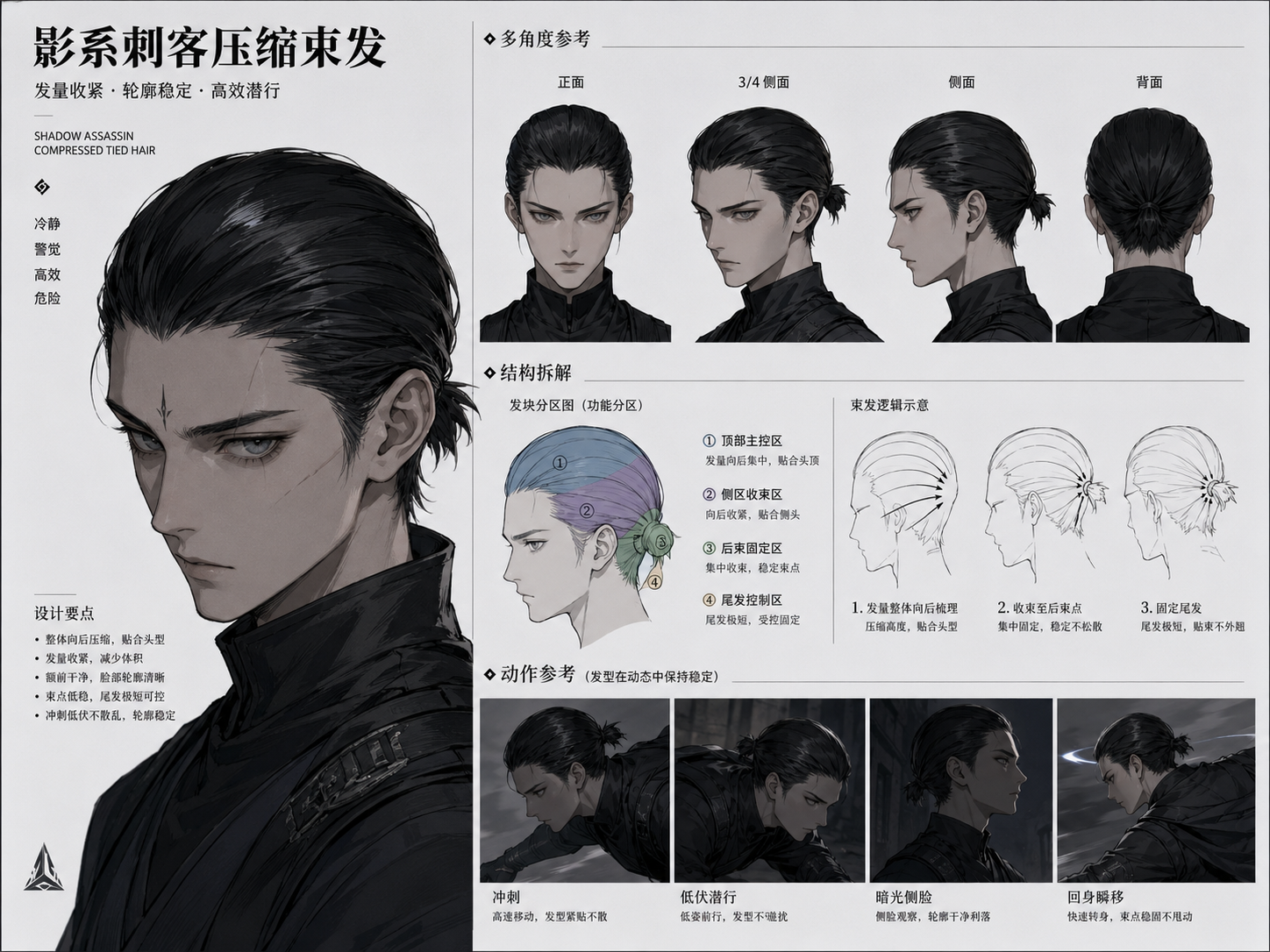
Shadow Assassin Compressed Pony Hair
Expression layer
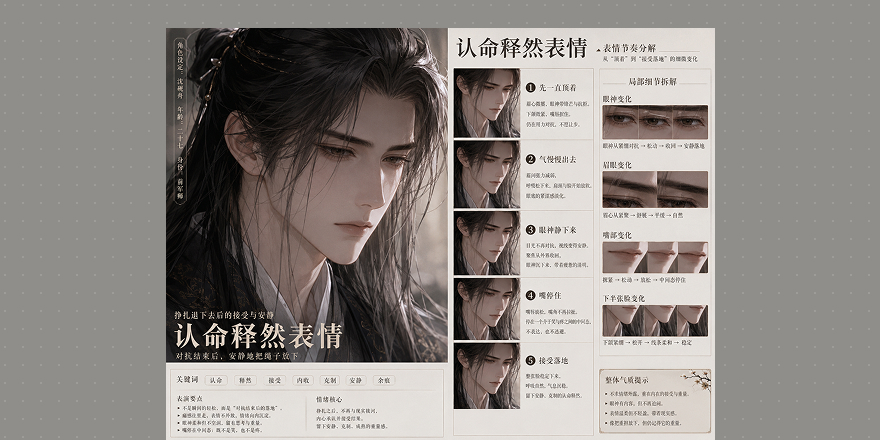
Expression separates relationship fastest. The lead can strain—grit, endurance, resolve—so the audience watches her hold on.
Gritted Determination Expression
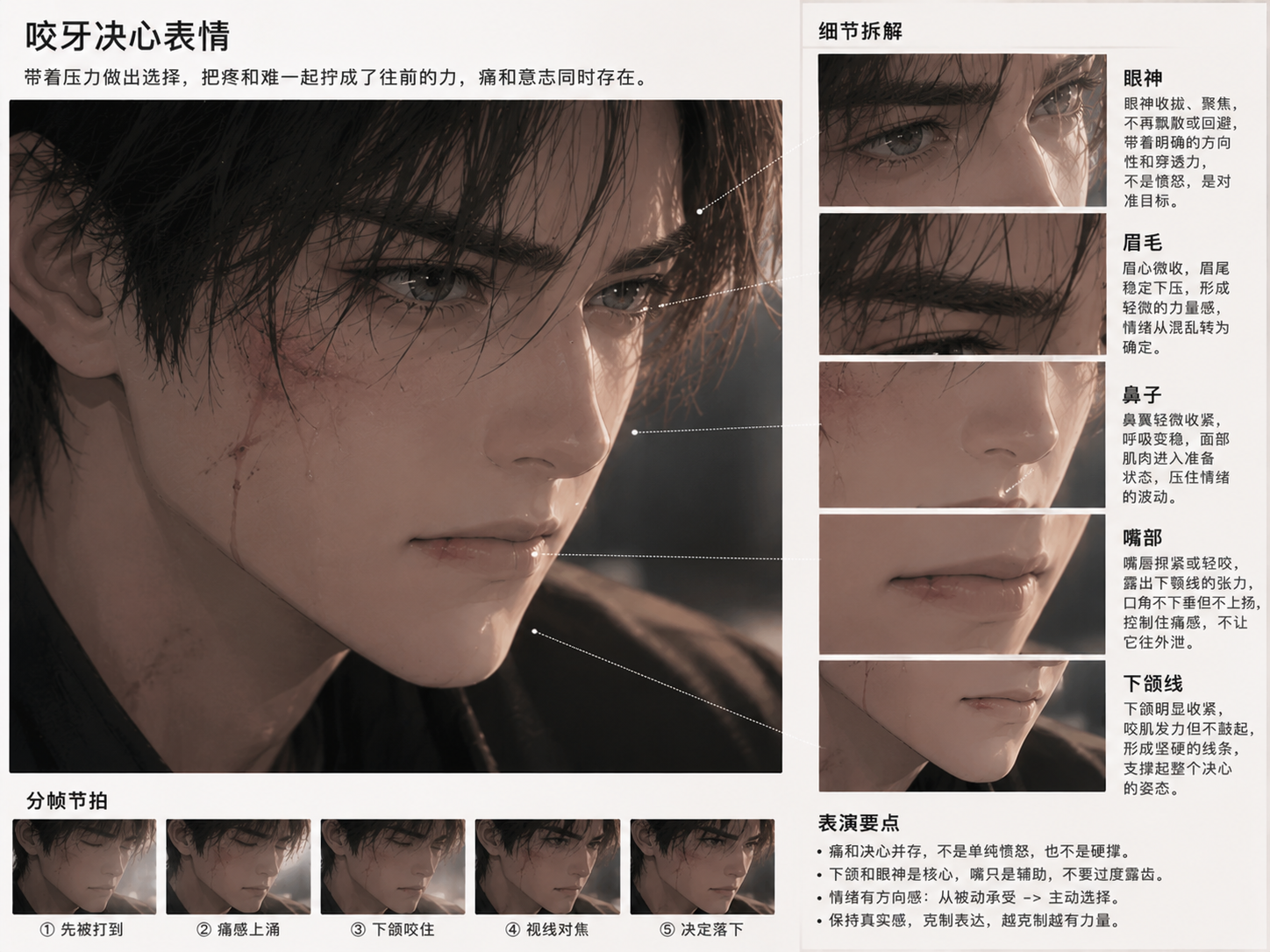
Gritted Determination Expression
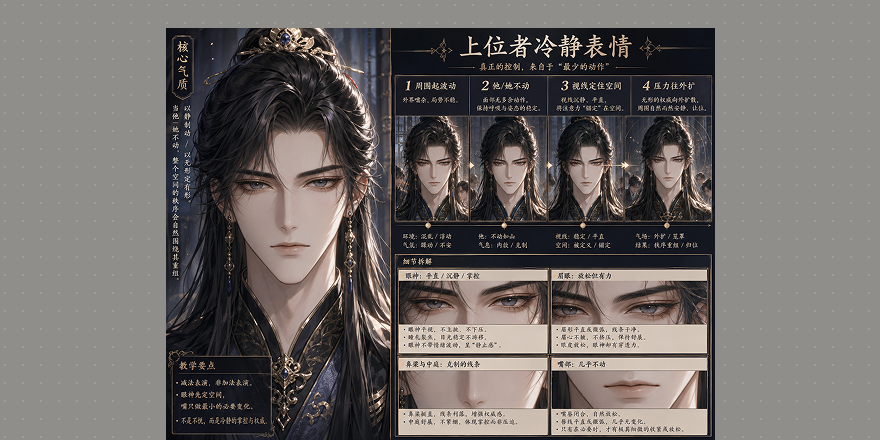
The villain can stay quieter. True pressure often needs less performance; calm reads as control.
Superior Calm Expression
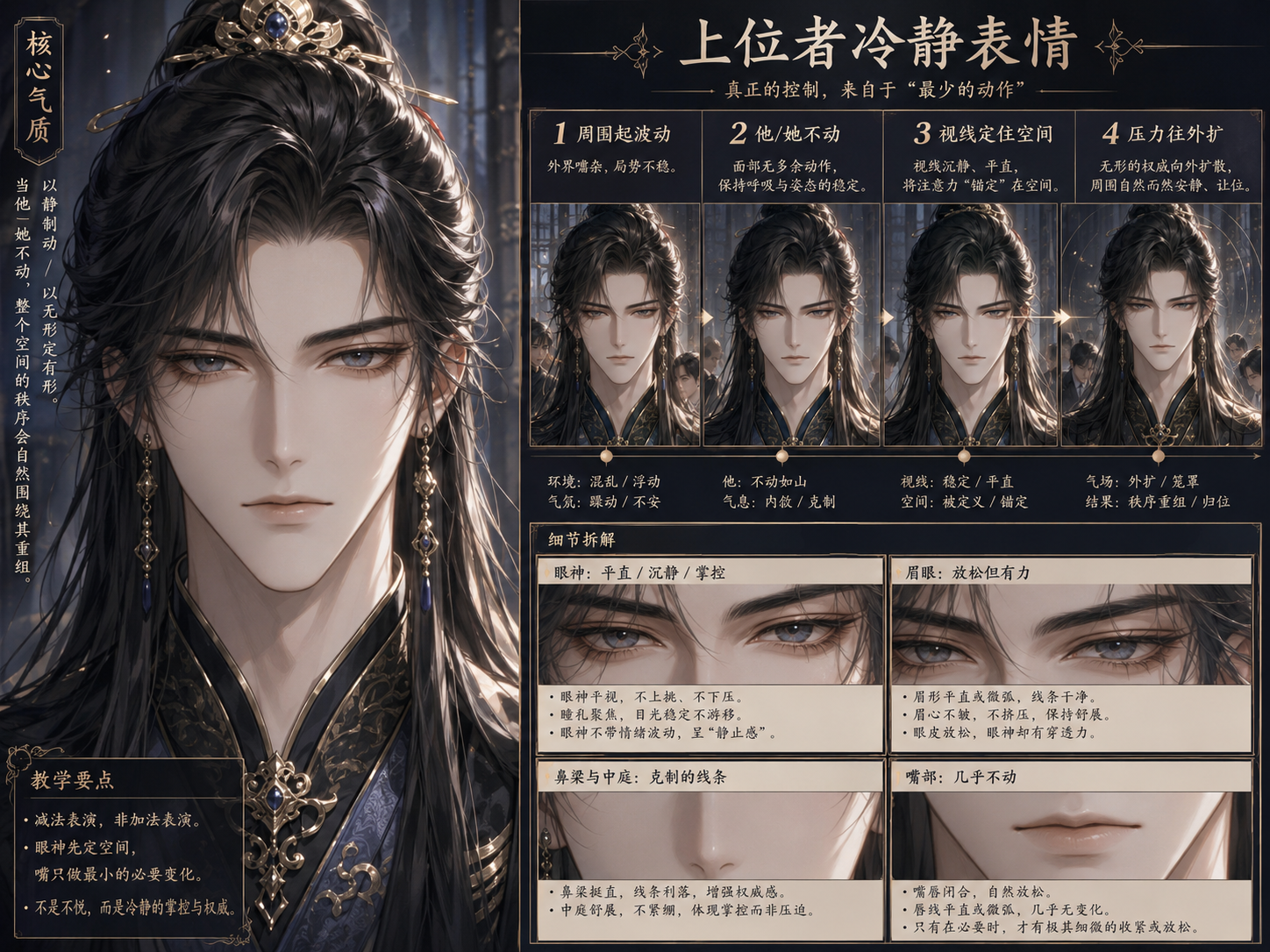
Superior Calm Expression
Villain memorability is not always exaggeration—it is face, hair, and expression saying the same thing: hard to approach, hard to predict.
Leads cannot rely on pretty alone. They need visual logic: soft but shaped, warm but not vague, kind but emotionally mobile. One layer is rarely enough—face, hair, and expression together make the story pop.
In Draftroom, pair cards the same way: face for temperament, hair for identity, expression for emotional position—so both roles read strong in the same story.